Change Log
- References to a “run” have been replaced with the term “run”.
- References to “gold” have been replaced with “shards”.
Items are resources that are given to, and apply effects to, units.
Implementation Details
Attaching items
Items can be attached to any unit, acting as a boost in power for them.
Categories
All items are categorised into 3 types:
- Damage - Items designed to deal damage when activated
- Defensive - Items designed to help keep the unit it’s attached to survive
- Utility - Items that manipulate other parts of the game (movement, actions, shards etc.)
Rarity
All normal items are split into 3 different rarities:
- Common - Simple upgrades to a unit’s strength.
- Rare - Decently strong effects that can sometime be conditional when using them.
- Legendary - Powerful effects that can alter a unit’s playstyle.
There is also an additional type of item rarity available.
- Cursed - Items that have overpowered effects BUT also have debilitating weakness attached to them. Unlike the other rarities above, these items are not given out under normal circumstances and are instead only found in random encounters/events.
Player Acquiring Items
The main way player units get stronger over the course of a run is by acquiring items. Items can be acquired in the following ways:
- As Combat Rewards
- Purchasing them from the “Shop”
- Given from random encounters/events
Enemies Acquiring Items
Enemies do not normally have items when a player encounter them. However, the only case where an enemy can hold an item is if they are an “elite” enemy inside of an “Elite combat”.
Stacking Types
Every item in the game can be stacked, increasing the strength of the item. Some items may increase in strength by a lower amount for additional stacks past the first E.g. An item gives 15% dodge chance when first obtaining it, while obtaining additional stacks of the item increases the value by a further 10% instead.
Each item has a stacking type and every stacking type has their own formula that determines how it calculates the final strength of an item. Each formula uses the following variables. is the initial value the item gives when it is first obtained. is the addition value given for each additional stacks past the first. is the amount of stacks the unit has of the item. (Note - if an item doesn’t have a difference when adding additional stacks, b is treated as 0 in the formula.)
The following stacking types are as follows:
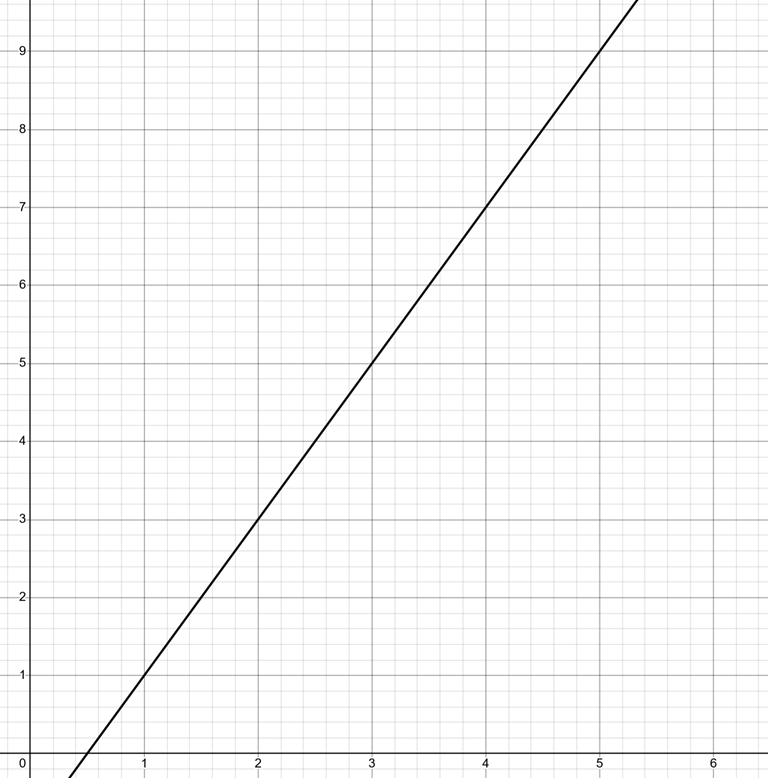
- Linear - Every stack of a linear item increases the bonus by a flat amount.
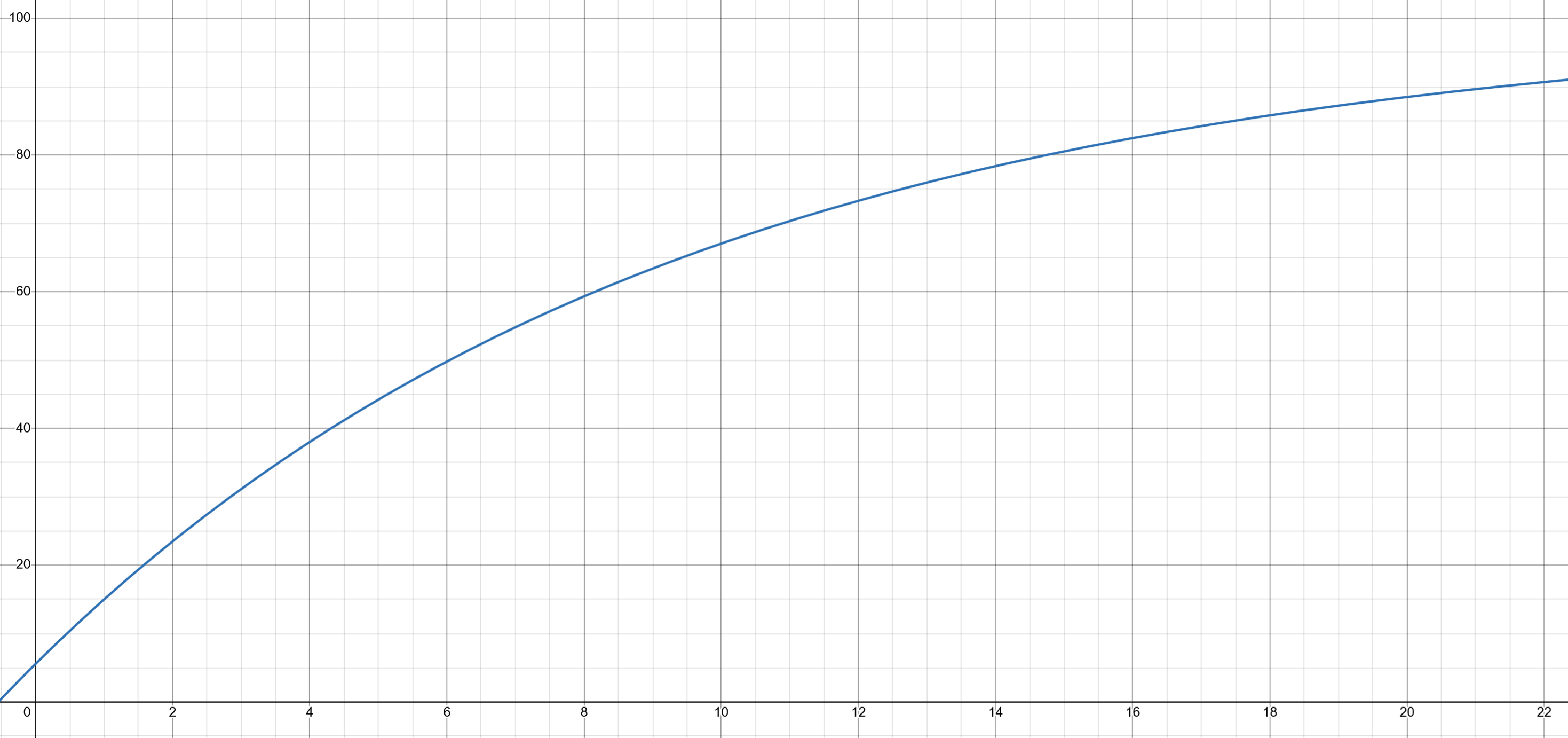
- Hyperbolic - Every stack of an item increases the bonus hyperbolically (looks logarithmic but not quite). Reserved for percent chance based items that we don’t want to scale to 100%, but each additional stack will get closer to it. NOTE: and otherwise the formula doesn’t work
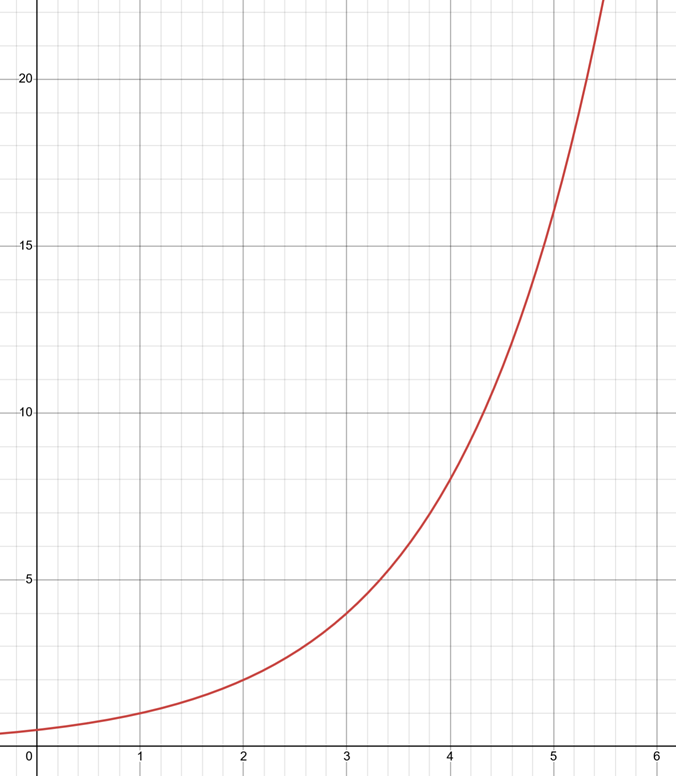
- Multiplicative/Exponential - Every stack of an item increases the bonus multiplicatively. Reserved for the truly broken/stupid items.
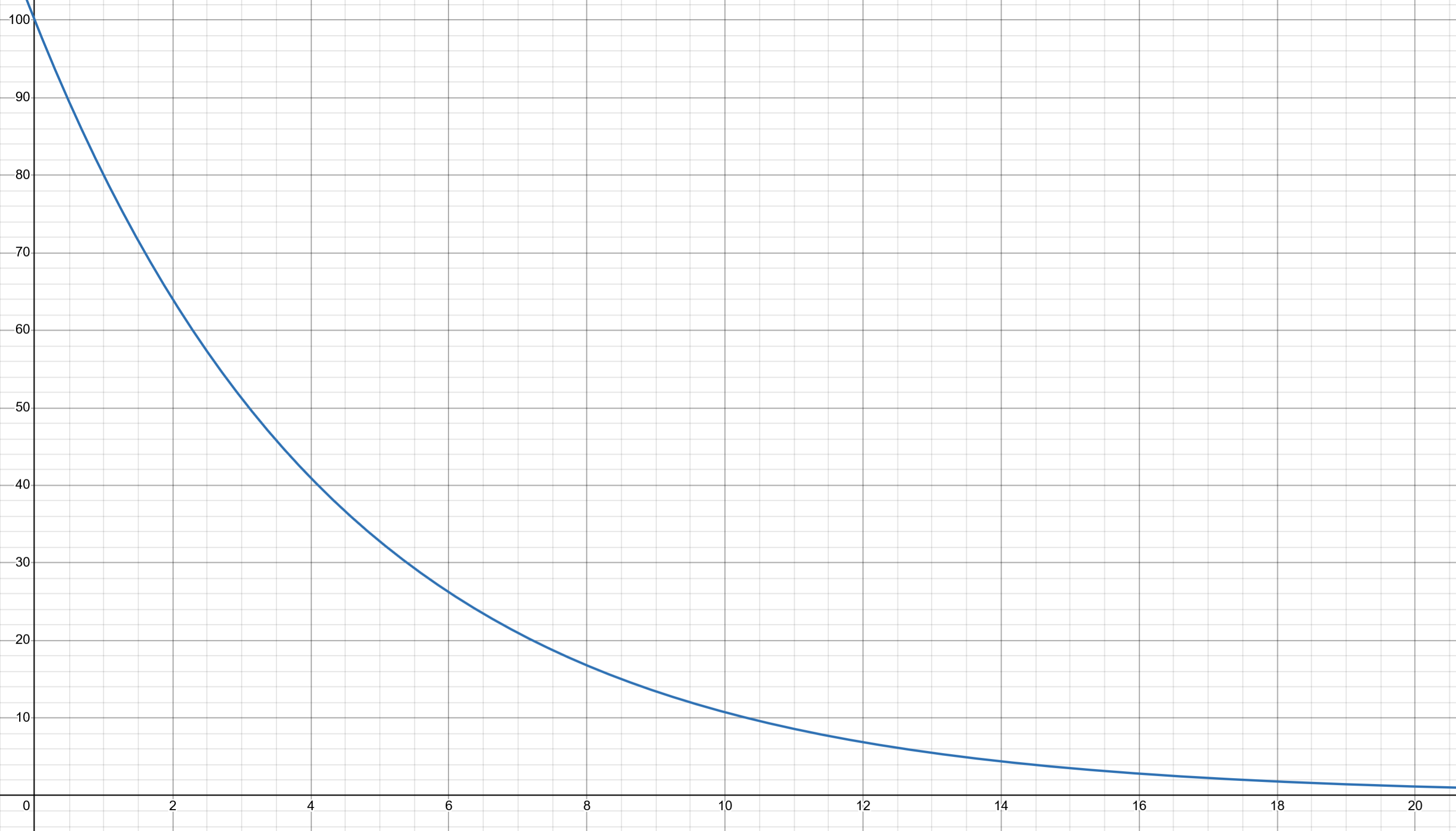
- Rational - Similar to hyperbolic, but every stack reduces the final result. Reserved for percent chance based items that we want reduced when stacked but never reach 0. NOTE: and otherwise the formula doesn’t work
See all Content.